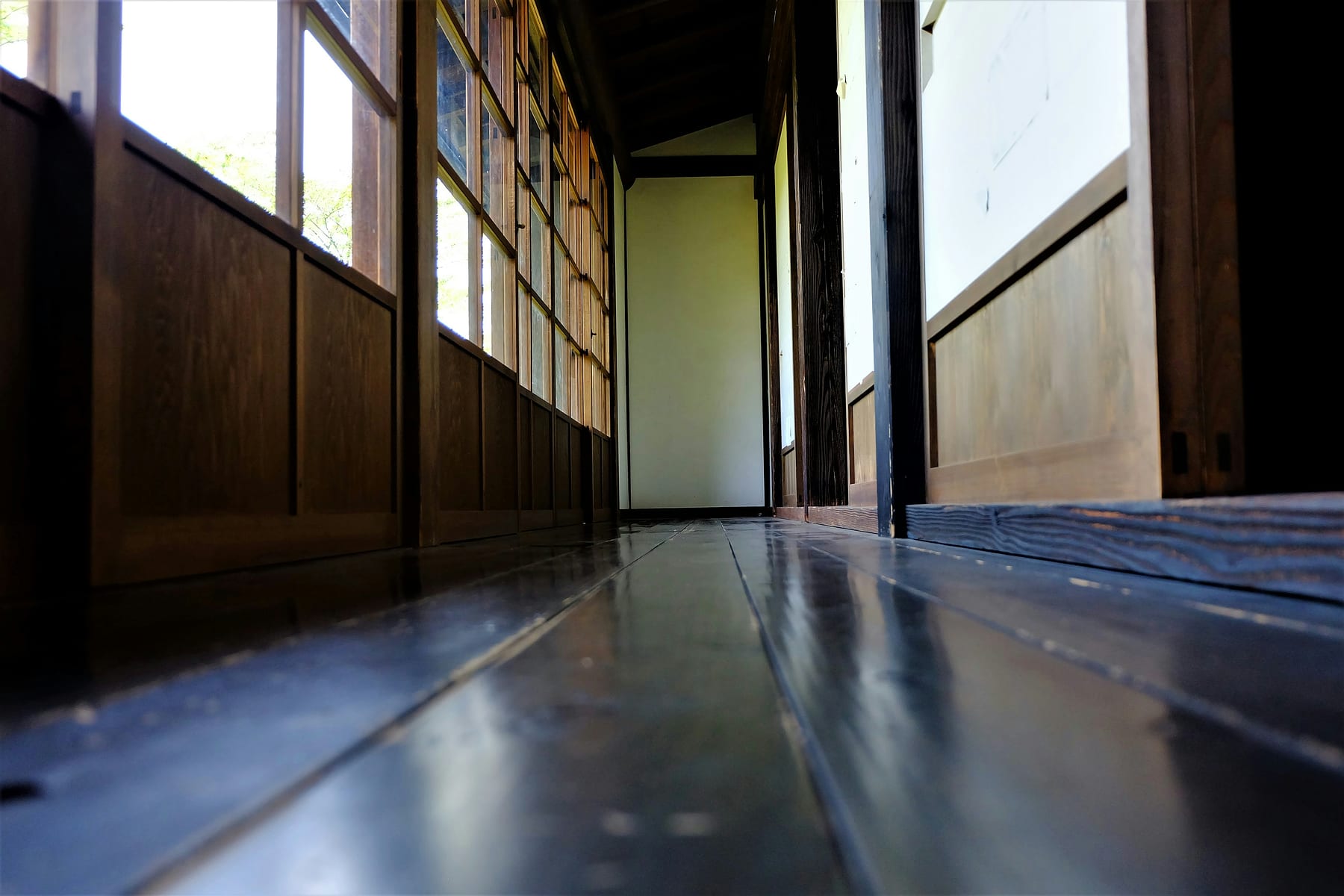
The house itself
Week one with two three-year-olds, where the curriculum is the rooms they already live in, the teacher for five minutes a day is their nine-year-old sister, and nobody is asked to sit down.
Scan to open in WeChat
WeChat has no share link, so point a phone at the code.
Two three-year-olds walk through four rooms holding a basket, and in each room they put something down and run back for the next thing. Tiptoe in the hallway. Stomp in the living room. Their mother names the room in Mandarin as they arrive.
That is the lesson. There is no table, no worksheet, and nobody is asked to sit.
What the month is
The house. Not a topic about the house: the house itself, the one they already live in, used as the whole curriculum. Vocabulary comes from rooms they can point at. Numbers come from counting the chairs. Motor skills come from an obstacle course down the hallway. Manners come from the rituals they are already inside.
Four weeks, each a smaller piece of it: the house, then the kitchen, then getting dressed, then bedtime. The theme is not hidden the way it is with their sister, because at three there is nothing to discover yet. The point is different: the setting costs nothing and is never unfamiliar.
The rule the plan states outright is that total adult-directed instruction stays under thirty minutes a day, and total play stays over sixty. Two adult-led activities never run back to back.
Three languages at one table
Their mother teaches in Mandarin, which is about ninety percent of what they hear in a session. English arrives incidentally, taught to nobody.
And for five minutes a day, Korean, from their father or their sister.
The five minutes that belong to Aini
There is a sheet for each day of the week, and it is not written to a parent. It is written to a nine-year-old, in Korean, addressed to her by name.
It tells her the whole week is three words: 집, 방, 문. House, room, door. The same three every day, and it explains why to her rather than assuming she will comply: little kids need repetition before a word sticks.
Then it gives her a script she can actually follow. Say hello, and be as silly as you like. Go stand at a door, point, and ask what it is. Wait. If nobody answers, say it yourself, then point again. When one of them says 문, clap once and tell him he is right.
Open the door slowly and say 문 열어요. Close it and say 문 닫아요. Three times, and then let them do the opening, because they will love that part.
The two lines that make it a real teaching document
Near the bottom the sheet stops instructing and starts anticipating.
If your brother answers in Chinese, that is fine. Smile, say it once in Korean, and keep going.
If he runs off or does not want to, do not chase him. Do it with whichever brother is still there, or just say it out loud by yourself. He might come back.
A nine-year-old is being handed the two hardest things about teaching a three-year-old: that the wrong-language answer is still an answer, and that withdrawal is not defiance. She is told not to chase. She is told the session counts even if she ends up doing it alone.
And the last line is not about the twins at all. It tells her that showing up was enough, and that she did well.
What a week looks like from underneath
Monday leads with gross motor, Tuesday with language, Wednesday fine motor, Thursday social-emotional, Friday cognitive. Every day has a second domain riding underneath it, so no day is one thing.
The observation checklist at the end of the week is written as noticing rather than testing. Did he follow a two-step instruction without a reminder. Did he use a Korean location word on his own. Did the pretend play run past fifteen minutes. Did he take a turn without a meltdown.
Not one of those is pass or fail. They are things to watch for, and the sheet says so.